
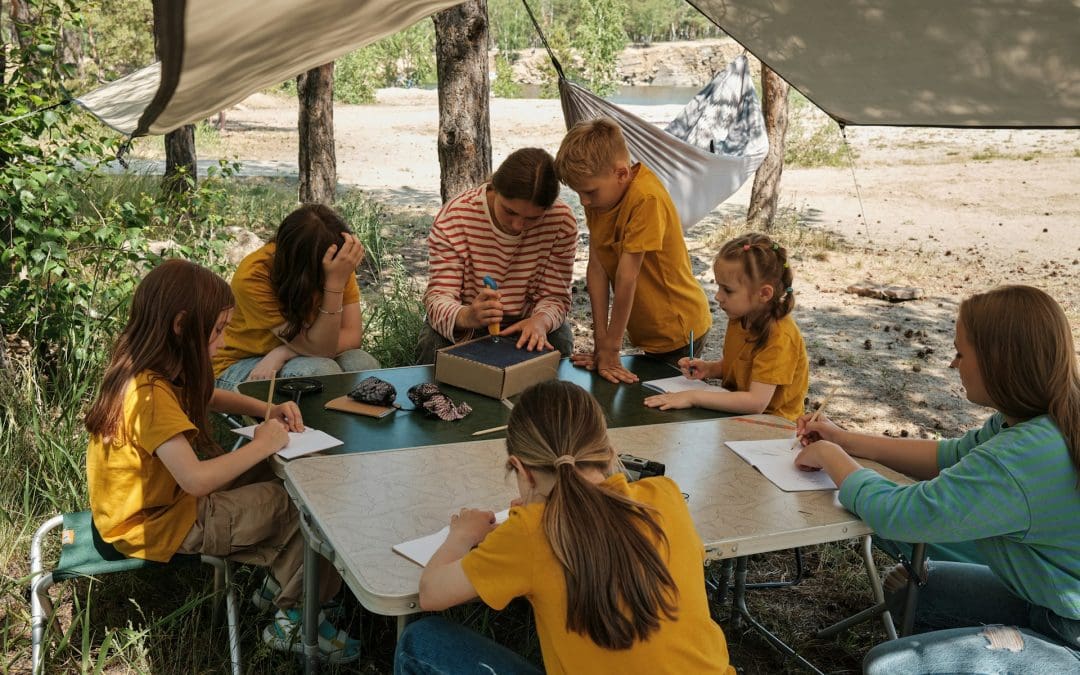
Summer is youth camp season, and churches everywhere are preparing to welcome students for a few unforgettable days. Youth camps help build friendships, deepen faith, and create memories that last long after the last campfire ends. But before any of that happens, families need to hear about the event, understand the details, and feel encouraged to sign up.
Getting the word out takes more than a Sunday morning announcement. It takes clear, consistent communication that reaches people where they are. We have pulled together some helpful marketing ideas for churches that are planning summer youth camps, simple ways to raise awareness, build excitement, and make things easy for parents and students alike.
Plan Ahead with a Clear Message
When camp planning starts early, your message has more time to grow. The earlier you start talking about it, the better the turnout tends to be. Aim for simple, short messages that answer common questions right away.
- Mention who the camp is for (age or grade level) so families know if it is the right fit
- Share the dates and registration deadline in every post or flyer
- Be clear about how to sign up, whether online, in person, or both
Consistency is what keeps your message from getting lost. Repeat announcements in the same order and phrasing across your church bulletin, screens, emails, and social posts. That helps families remember what they saw the first time and builds trust that details are not changing week to week.
Making sure your message is clear is just as important as starting early. Parents and students often have a lot of events to juggle in the summer, so repeating the basics helps everyone keep your youth camp top of mind. You don’t have to give every last detail right away, just make sure the place, time, and age range come through on every flyer and announcement.
Use Your Church Website as a Central Hub
Once someone hears about youth camp, their next move is often to pull up your website. That is why it helps to make one clean spot on your site where everything about camp lives.
- Create a simple landing page or section titled clearly, something like “Summer Youth Camp 2026”
- List dates, costs, what to pack, and how to register, all in plain terms
- Add a short FAQ section with quick answers to things parents usually ask
If possible, include a registration form or sign-up link right on the page. For parents with phones in one hand and a busy schedule in the other, that makes a big difference. Sharing a few past photos or highlights can be helpful too. It gives new families a sense of what their kids might get to experience.
Having key information in one place also helps church staff and volunteers. They will know where to send people who have questions, and they can trust that everyone is seeing the same info. You might even add a quick download with packing lists or schedules that families can print or save for later. Even if your website is small, a single camp page can keep things organized and cut down on confusion.
Make the Most of Social Media
One of the easiest ways to build excitement is with fun and regular social posts leading up to camp. Think of social media as your countdown clock, showing what is coming and helping people feel involved before it even begins.
- Post a weekly reminder or tip, like a packing list or a “what to expect”
- Share short videos with staff or volunteers introducing themselves
- Add behind-the-scenes glimpses of camp setup or rehearsals
Ask your youth group or volunteers to share the posts, encouraging their own friends or classmates to check it out. Spreading the message this way feels more natural and can spark interest among kids who might not know much about your church but are curious to join in.
It is also good to keep things light and visual. Use bright colors or photos from past camps, so the posts feel fresh and welcoming. Featuring different activities, like sports, games, worship, or crafts, in your posts helps everyone picture what camp is like. Remember, not everyone who sees your posts will have come to youth camp before, so keeping your tone friendly and approachable matters.
Send Simple, Friendly Updates Through Email or Text
Email and text updates help keep families connected without needing to scroll through social platforms. These should not be long or packed with too much info, just short reminders and friendly touches.
- Start with a welcome email after someone signs up
- Send a few timely tips in the weeks leading up to camp (like drop-off info or snack reminders)
- Keep the tone casual, warm, and clear, like a note from a trusted friend
Having a few well-timed nudges helps families avoid missing details or deadlines. It also lets parents know they can reach out if something is unclear. After camp, one more email with photos or a thank-you message goes a long way in leaving a positive impression.
When you keep emails short and focused, parents are more likely to read them right away. Reminders can include links to the website for more information if needed, so families always know where to look for answers. These simple messages can also build goodwill, since they show your church is organized and cares about keeping everyone in the loop.
Get Youth and Volunteers Involved
The faces kids connect with most are often their own friends and leaders. That is why it helps to let your youth and volunteers take part in some of the marketing tasks. They know how to talk to their peers, and often they bring new ideas to the table.
- Ask a few students to help with designing posters or social graphics
- Let youth or volunteers make short camp preview videos or voiceover clips
- Share quotes or short interviews from volunteers explaining why they love serving
This not only makes the marketing feel more fun and personal, but it also helps other young people feel more comfortable about signing up. Hearing from a peer that camp is fun or welcoming sometimes makes a bigger impact than hearing it from adults.
Involving students and volunteers helps your message feel more real. Sometimes a friend or peer can answer questions in a way that makes camp seem less intimidating, especially for someone who has never attended. Plus, creative ideas from young people often give your outreach a boost, making posters, videos, or posts stand out in a sea of summer events.
A Summer Camp That Reaches More Kids
Good marketing is not about drawing a big crowd for the sake of numbers. It is about making space for more students to join in something meaningful. Quiet kids, new families, long-time members, all of them deserve to feel invited and included.
By trying a few of these approachable marketing ideas for churches, it becomes easier to keep people informed and interested. And when planning, posts, and updates all work together, we start to see stronger connections form between families, youth leaders, and the broader church. That is where the real impact of summer camp begins.
Planning for camp season? At Marketing Co-op, we offer tailored support for event communication with tools like customizable website content, email templates, and strategies that help promote registration and involvement. We’re here to help youth ministries reach more students through practical communication tips, online outreach, and guided marketing resources.
If you want to strengthen your outreach, grow registrations, or find clear next steps in marketing ideas for churches, our team would love to share the simple tools and strategies we use to help churches connect. At Marketing Co-op, we’re dedicated to helping you share your message with clarity and reach families when it matters most. Let us know if you are ready to discuss your church’s next move.